
Imagine waking up to the quiet of a forest, spending the day surrounded by mountain scenery, and enjoying a remote retreat away from crowded neighborhoods. For buyers searching for affordable rural property in the United States, the idea of owning a cabin with plenty of land can be especially appealing.
A property at 3774 C Daisy Mine Road in Rice, Washington, offers that possibility. Listed at $100,000, this 20-acre parcel includes a self-built off-grid cabin, a natural spring reported on the property, timber, and scenic views of the mountains, valley, and river. The upper portion of the land also offers partial views toward Lake Roosevelt.
At first glance, the combination of acreage, a cabin, and a natural water source makes this listing interesting. But is $100,000 a reasonable price, and could this property be a practical choice for someone looking for a recreational getaway or a simpler off-grid lifestyle?
The answer depends on the condition of the cabin, the reliability of the water supply, access to the property, and the additional expenses that may arise after purchase. Let’s examine what buyers should know before considering this rural Washington property.
Property Overview: 20 Acres With an Existing Cabin

3774 C Daisy Mine Road
Rice, Washington 99167
$100,000
Listing asking price
20 acres
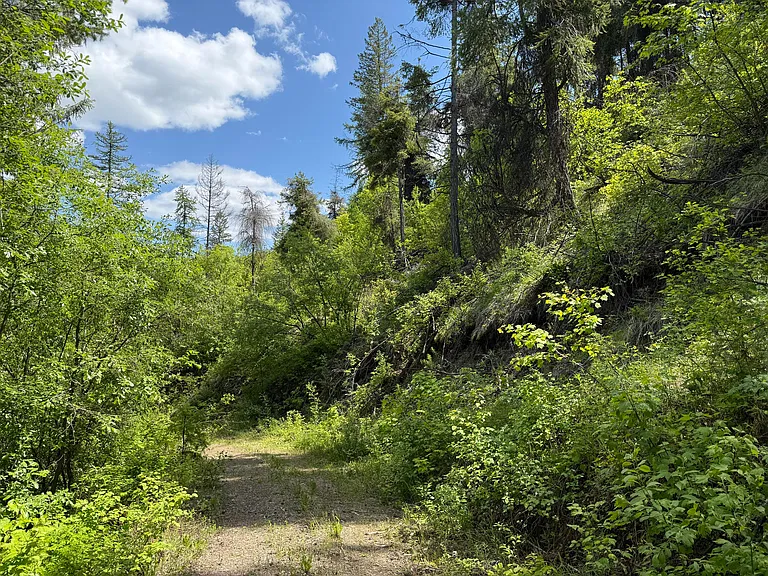
Wooded land with varied terrain
Off-grid cabin
One main-level room and a large loft
Natural spring
Water source reported in the listing
Mountain scenery
Partial Lake Roosevelt views
| Property detail | Listing information |
|---|---|
| Asking price | $100,000 |
| Lot size | 20 acres |
| Property type | Land with structure |
| Bedrooms | Not specified |
| Bathrooms | 0 listed |
| Water source | Spring |
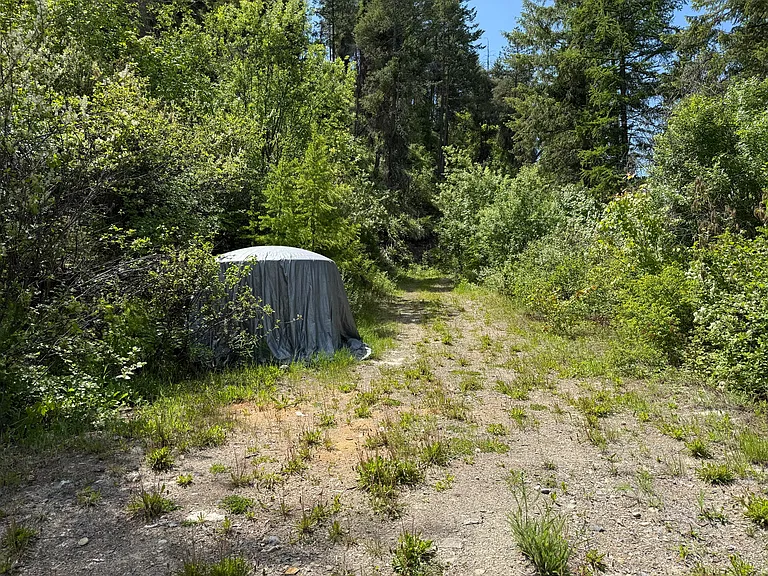
| Road surface | Gravel and dirt |
| Terrain | Varied |
| HOA | None reported |
| Annual property taxes | $32 reported |
| Listing terms | Cash |
| Parcel number | 1638785 |
The details above are based on the supplied listing information and have not been independently verified.
1. Is $100,000 a Good Price for 20 Acres in Washington?
The first thing buyers are likely to notice is the acreage. Twenty acres provide substantial space compared with a typical residential lot, offering room for outdoor activities, privacy, and enjoyment of the surrounding landscape.
To understand the asking price more clearly, consider the cost per acre.
Price per acre calculation
\frac{\$100,000}{20}=\$5,000
The property is listed at approximately $5,000 per acre, including the existing cabin.
Property Price Analysis
Total asking price
$100,000
Price per acre
$5,000
The bars illustrate the figures proportionally for reference; they do not represent market-value comparisons.
This calculation is useful when comparing rural properties, but it does not establish whether the land is underpriced or overpriced. The cabin, terrain, water source, road access, and development potential all influence its overall value.
For example, a property with a well-maintained cabin and dependable water system may justify a higher price than undeveloped land. However, if the cabin requires extensive repairs or lacks essential facilities, the buyer may need to invest considerably more after closing.
The listing does not provide a Zestimate or a verified valuation for the structure. Buyers should therefore compare the property with similar rural parcels and cabin listings in the surrounding area before deciding whether the asking price is competitive.
2. The Off-Grid Cabin: A Starting Point for a Rustic Retreat

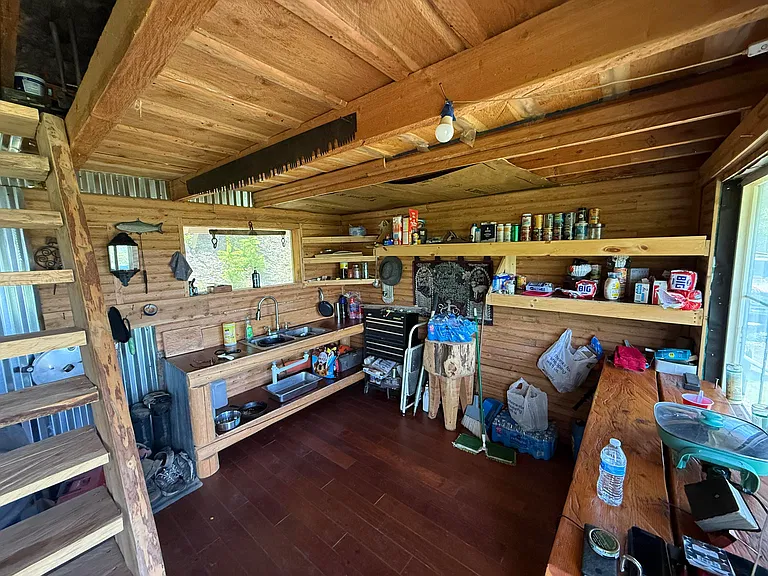
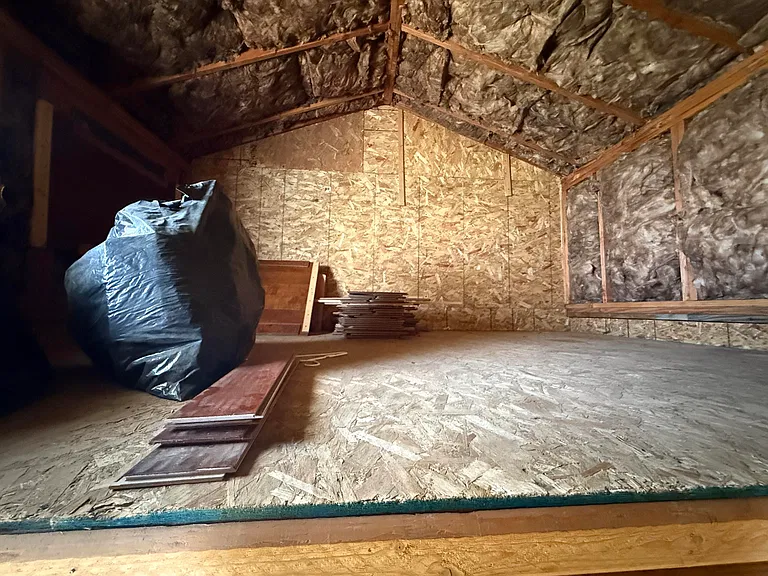
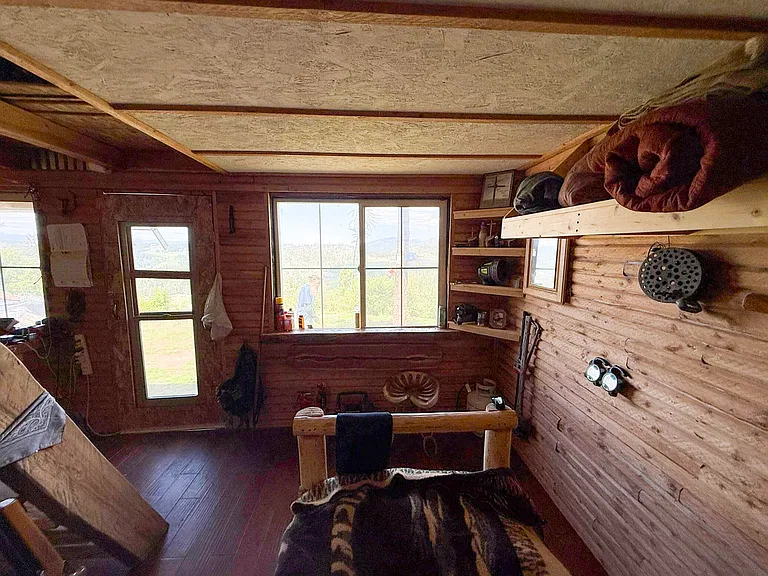
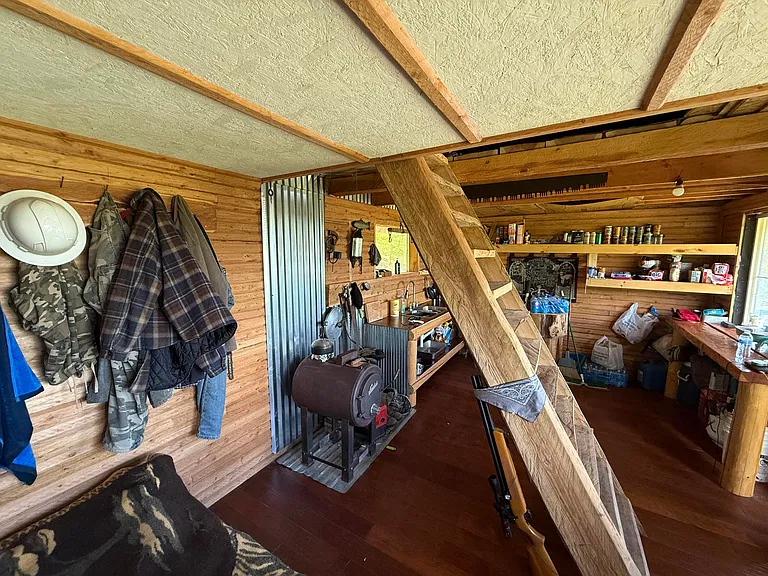
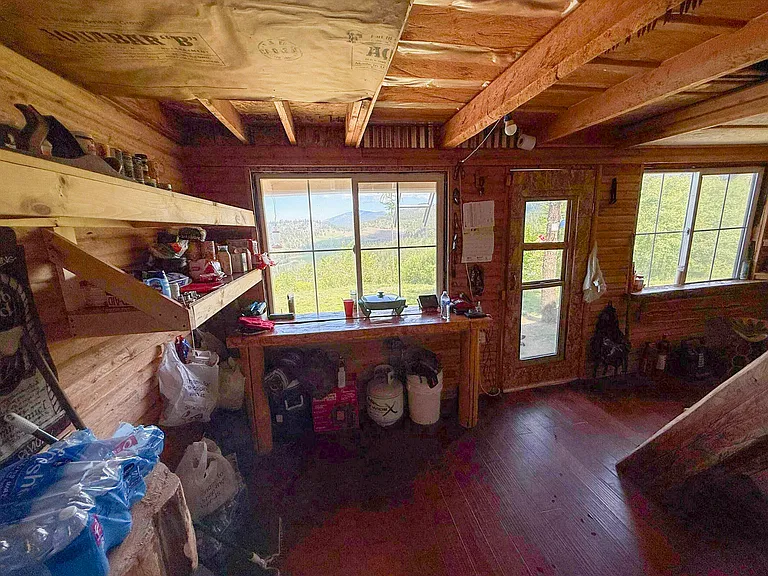
The existing cabin is one of the most interesting features of this property. According to the listing, it has a single main-level room and a large loft that could potentially be completed to provide additional sleeping or living space.
For someone who enjoys simple accommodation and spending time outdoors, the structure could offer a useful starting point. An existing cabin may reduce the need to build an entirely new structure, provided it is safe, legally established, and suitable for the intended use.
However, the listing identifies the property as having zero bathrooms. It does not establish that the cabin has a conventional kitchen, finished sleeping areas, indoor plumbing, or a complete electrical system.
The loft also should not automatically be counted as a finished bedroom. Its suitability depends on structural capacity, safe access, headroom, and applicable building requirements.
Before purchasing, buyers should inspect the roof, foundation, framing, windows, insulation, heating arrangements, and any existing electrical installations. They should also confirm the cabin’s permit history and whether it can legally be occupied for the intended purpose.
The main advantage is having an existing structure. The main concern is how much work and money may be needed to make it safe, comfortable, and practical.
3. Natural Spring Water: A Promising Feature With Important Questions

The listing reports a natural spring on the property. For buyers considering off-grid living, this could be an attractive feature because a dependable water source can be important when conventional utilities are unavailable.
Nevertheless, the presence of a spring does not guarantee safe drinking water or a reliable year-round supply.
Water flow can change with rainfall, drought, and seasonal conditions. Water that appears clean may still contain harmful microorganisms or other contaminants.
Before relying on the spring, prospective buyers should investigate:
- Whether the spring continues flowing during dry periods.
- Whether the water has been tested by a qualified laboratory.
- Whether the source is protected from surface runoff and contamination.
- Whether water collection, storage, and delivery systems already exist.
- Whether any permits or water-use requirements apply.
A professional assessment can help determine whether the spring is suitable for the buyer’s intended use. Additional storage, treatment, or plumbing may be required, depending on the results.
For someone planning occasional weekend visits, the water arrangements may be different from those needed for extended stays or full-time occupancy.
The spring is therefore a potential advantage, but buyers should verify its quality, reliability, and legal status before assigning significant value to it.
4. Mountain Views and Partial Lake Roosevelt Scenery

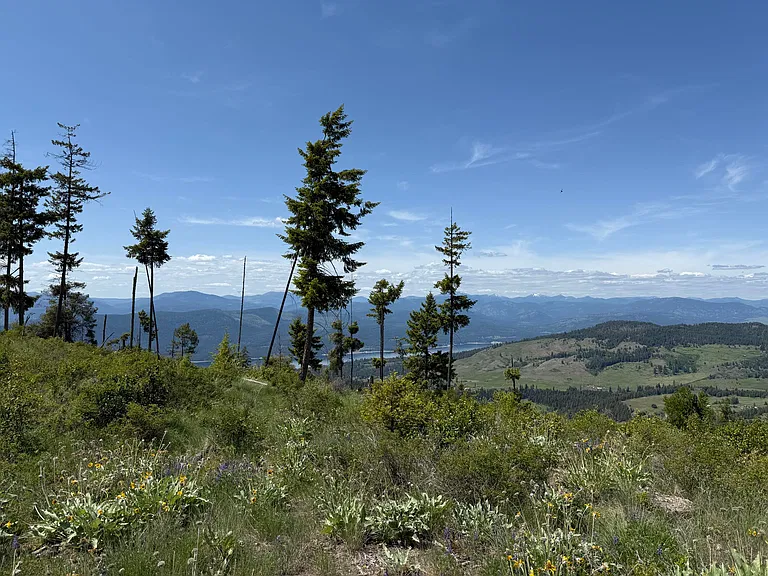
The property offers mountain, valley, and river views, with partial views toward Lake Roosevelt from the upper portion of the land.
For buyers who value scenery and privacy, this is an appealing feature. The listing describes the cabin as sitting on the lower portion of the property, while the higher ground provides broader views toward the northwest.
This difference in elevation may offer several places to enjoy the landscape, although the actual usable areas depend on the terrain and access.
It is important to understand that a partial lake view is not the same as lakefront property. The listing does not establish that the parcel has direct shoreline access or private access to Lake Roosevelt.
Buyers should visit the property and inspect the views from different points. Tree cover, seasonal vegetation, and terrain can influence how much of the landscape is visible.
Rice is a rural community in northeastern Washington, where buyers may be attracted to the quieter surroundings and outdoor recreation opportunities. However, convenience should also be considered. Travel distances to grocery stores, medical services, fuel, and building supplies can affect whether the property is suitable for occasional visits or longer stays.
5. Timber, Wildlife, and Recreational Opportunities

The listing mentions nice timber and wildlife, including deer, elk, and bears in the area. Public land nearby may also provide additional recreational opportunities, subject to applicable access rules and regulations.
For outdoor enthusiasts, these features may be part of the property’s appeal. The land could provide opportunities for nature observation, photography, walking where practical, and enjoying a wooded environment.
The timber may contribute to the property’s privacy and visual character. However, buyers should not assume that the trees have a particular commercial value without an assessment of species, volume, condition, access, and harvesting requirements.
Is it suitable for hunting?
The listing mentions hunting opportunities, but buyers should confirm which activities are permitted on the private parcel and on nearby public land.
Hunting laws, licensing, seasons, firearm regulations, and property boundaries must be checked with the relevant authorities. Access to nearby public land does not automatically grant hunting rights on another person’s property.
Wildlife can also create practical concerns. Bears and other animals may be attracted to food, rubbish, and outdoor cooking areas, so secure food storage and sensible safety practices are important.
The property’s recreational potential is worth investigating, but it should be evaluated alongside the rules, access arrangements, and responsibilities that come with rural ownership.
6. Road Access: An Essential Part of the Buying Decision
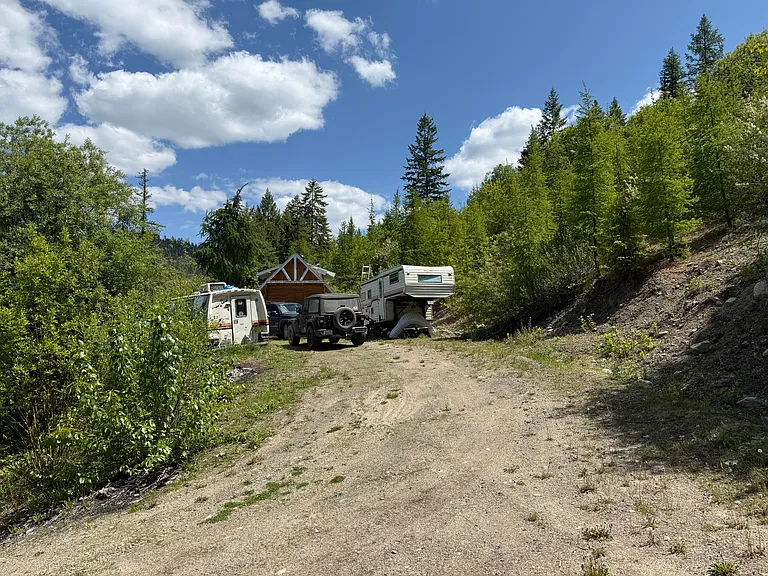
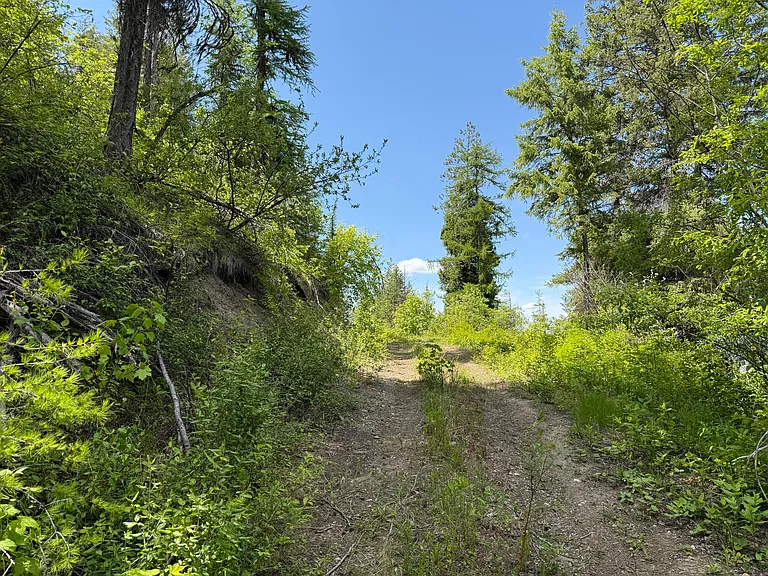
The listing describes the road surface as gravel and dirt. This is common for some rural properties, but the condition and maintenance of the access route can strongly influence everyday usability.
A road that is manageable during dry weather may become more difficult in winter or after heavy rainfall. Buyers should establish whether ordinary passenger vehicles can reach the cabin and whether four-wheel drive may be necessary during certain conditions.
Important questions include:
- Is the access legally recorded and usable by the property owner?
- Who maintains the road?
- Are there shared maintenance costs?
- Can emergency vehicles reach the cabin?
- Is construction equipment able to access the property?
- Are drainage, steep slopes, or seasonal conditions likely to create problems?
The answers could affect both the cost of ownership and the property’s appeal to future buyers.
For someone seeking a remote retreat, a gravel road may be perfectly acceptable. For someone planning to visit frequently or live there throughout the year, dependable access becomes much more important.
7. Low Property Taxes: A Financial Advantage?
The supplied listing reports annual property taxes of approximately $32 and no HOA.
At the reported tax amount, the monthly equivalent is:
\$32 \div 12 = \$2.67
That is approximately $2.67 per month in property taxes, which is a small amount relative to the asking price.
Low property taxes can help reduce the basic cost of holding rural land. The absence of HOA dues may also appeal to buyers who prefer to avoid regular association fees.
However, the reported tax amount should be verified with Ferry County. Buyers should confirm whether the figure reflects the current tax bill and whether reassessment or future improvements could change it.
Taxes also represent only one part of the overall budget. Cabin repairs, water treatment, sanitation, road maintenance, insurance, and utilities can create additional expenses.
A low annual tax bill is a positive feature, but it should not be mistaken for evidence that the property will be inexpensive to maintain.
8. What Could It Cost to Improve the Cabin?
The $100,000 purchase price is only the starting point if the buyer plans to improve the cabin.
The final cost will depend on the condition of the existing structure, the availability of essential services, and the standard of accommodation the owner wants to achieve.
| Improvement | What needs to be checked |
|---|---|
| Cabin repairs | Roof, foundation, framing, and weatherproofing |
| Loft completion | Structural suitability, safe access, and applicable requirements |
| Water system | Spring flow, water quality, storage, and delivery |
| Sanitation | Approved system and site suitability |
| Power | Existing electrical installations and off-grid options |
| Heating | Safe equipment suitable for local weather |
| Road access | Year-round usability and maintenance |
| Communications | Actual cellular and internet availability |
Without an inspection and local contractor estimates, it would be misleading to provide a precise total renovation cost.
A buyer should obtain written estimates for essential work before making a final decision. It is also sensible to maintain a contingency fund for unexpected problems, particularly when buying an older or self-built structure.
For someone with practical construction skills and additional funds, the cabin may represent an interesting project. For a buyer who expects a finished home without further work, it may be less suitable.
9. How Does This Property Compare With Other Rural Properties?
A meaningful price comparison requires looking at similar properties in northeastern Washington.
The most useful alternatives would include parcels with roughly 10–30 acres, comparable access, an existing cabin or other structure, and similar water and utility arrangements.
Comparing this property with bare land would not tell the whole story because the asking price includes a cabin and a reported spring. Conversely, comparing it with a finished home would be misleading because the listing does not establish that the cabin has conventional residential facilities.
| Factor | This property | What to compare elsewhere |
|---|---|---|
| Asking price | $100,000 | Current asking prices and recent comparable sales |
| Land size | 20 acres | Similar acreage |
| Existing structure | Basic off-grid cabin | Cabin condition and legal status |
| Water source | Spring reported | Tested water supply and reliability |
| Views | Mountains, valley, river, partial lake views | Actual views and any water frontage |
| Road access | Gravel and dirt | Legal access and year-round conditions |
| Utilities | Off-grid setting | Availability and installation costs |
| Annual taxes | $32 reported | Verified tax bills |
| HOA | None reported | Association dues and other restrictions |
The asking price of $5,000 per acre is a useful screening figure, but it does not establish market value. The cabin’s condition and the cost of making the property usable could significantly change the comparison.
Buyers should review comparable sales and obtain realistic estimates for any necessary work before deciding whether this is a competitive offer.
10. Could This Property Be a Long-Term Investment?
Some buyers may consider the property as a long-term land investment rather than simply a recreational retreat.
Twenty acres, an existing cabin, timber, and scenic surroundings could appeal to future buyers who want a rural getaway. However, there is no guarantee that the property will appreciate or that improvements will be recovered when it is sold.
Future resale value may depend on local demand, road access, the cabin’s condition and legal status, the reliability of the water source, and the broader real estate market.
Remote properties can also take longer to sell than conventional homes, depending on location, pricing, and the number of suitable buyers.
If investment is the primary goal, buyers should investigate local sales, realistic resale demand, and likely holding costs. Improvements should be considered carefully, because spending more on a cabin does not automatically increase its market value by the same amount.
11. Who Should Consider Buying This Property?
This property may be worth investigating for buyers who prioritize acreage, scenery, and recreational use over conventional residential convenience.
It may suit:
- Buyers looking for 20 acres of rural land in Washington.
- People interested in a rustic off-grid cabin.
- Outdoor enthusiasts who value wooded surroundings and wildlife.
- Buyers who are comfortable arranging inspections and completing improvements.
- People willing to verify and maintain a spring-based water system.
- Buyers with funds available beyond the initial purchase price.
It may not suit:
- Buyers who need a move-in-ready home with a conventional bathroom.
- Anyone expecting a fully finished cabin with modern utilities.
- Buyers who cannot afford additional repairs or infrastructure.
- People who require easy access to urban services.
- Buyers relying on unverified assumptions about water quality or road conditions.
- Anyone purchasing solely on the expectation of future appreciation.
The key is to match the property to a realistic plan. A remote cabin can be rewarding for the right buyer, but it can also become an expensive project if essential requirements are overlooked.
12. Essential Checks Before Making an Offer
Before committing to the purchase, prospective buyers should:
- Confirm the current listing status and asking price.
- Review the deed, parcel boundaries, easements, and legal access.
- Arrange a professional inspection of the cabin.
- Verify permits, legal status, and permitted use of the structure.
- Check whether the loft can be completed safely and lawfully.
- Test the spring water through a qualified laboratory.
- Investigate seasonal water flow and storage arrangements.
- Confirm whether an approved sanitation system is feasible.
- Inspect road conditions and clarify maintenance responsibilities.
- Check heating, electricity, cellular coverage, and internet options.
- Verify property taxes and any other financial obligations.
- Investigate wildfire exposure, insurance availability, and emergency access.
- Compare the property with similar listings and recent sales.
- Obtain written estimates for all essential improvements.
Completing these checks will provide a much clearer picture of what the buyer is purchasing and how much the property may cost to use as intended.
Final Verdict: Is the $100,000 Off-Grid Cabin Worth Considering?
The property at 3774 C Daisy Mine Road offers an appealing combination of 20 acres, a rustic cabin, a reported natural spring, timber, and scenic views in northeastern Washington. The partial views toward Lake Roosevelt and the reported low annual property taxes add to its initial appeal.
At $5,000 per acre, the asking price provides a useful starting point for comparison. But acreage alone does not determine whether the property is a good deal.
The cabin’s condition, lack of a listed bathroom, water reliability, road access, and the cost of improvements all deserve careful attention. Buyers should also verify the structure’s legal status and determine whether the property can support their intended use.
Our assessment: This property is worth investigating for buyers seeking a rustic recreational retreat, but it is not automatically a bargain. Its true value depends on the condition of the cabin, the reliability of the spring, the accessibility of the land, and the total cost of making the property suitable for the buyer’s plans.
For someone who wants a quiet outdoor retreat and is prepared for the responsibilities of rural ownership, it could be an interesting opportunity. For someone who needs a finished home with modern conveniences, the extra work may outweigh the benefits of the asking price.
The smartest approach is to inspect the property, verify its essential features, and compare the total cost of ownership with similar rural properties before making a final decision.
Disclaimer: This article is based on the supplied listing information, which has not been independently verified. Asking prices, availability, taxes, water conditions, property rights, and building requirements may change. This article is for informational purposes only and is not legal, financial, engineering, or real estate investment advice. Prospective buyers should independently verify all material facts and complete appropriate due diligence before purchasing.





Listed on zillow
