Finding nearly 20 acres of land with an existing cabin for less than $100,000 is the kind of opportunity that makes rural real estate worth exploring. For buyers who value privacy, outdoor recreation, and a quieter lifestyle, a property in Northeast Washington may offer something that conventional residential real estate cannot: room to spread out without paying for a large suburban home.
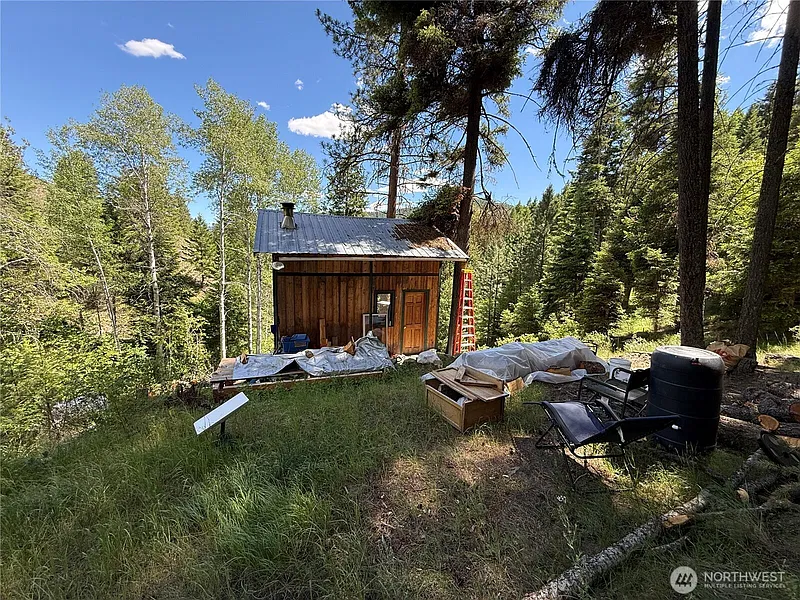
One property that deserves a closer look is located at 0 TBD Toroda Creek Road, Wauconda, Washington 98859. Listed for $99,900, this 19.78-acre parcel includes a small rustic cabin, a sleeping loft, a wood stove, wooded surroundings, and a seasonal creek.
At first glance, the combination sounds appealing. However, the real question is not simply whether the property looks attractive in listing photos. It is whether the land, existing structure, access, utilities, and potential uses justify the asking price.
This analysis examines the numbers, the practical advantages, the limitations, and the questions buyers should answer before considering a purchase.
Property Overview: What Does $99,900 Buy?
The property is marketed as an off-grid recreational retreat between Curlew and Wauconda in Northeast Washington. Rather than a conventional house with a full set of residential utilities, it is best understood as a rural land purchase with an existing small cabin.
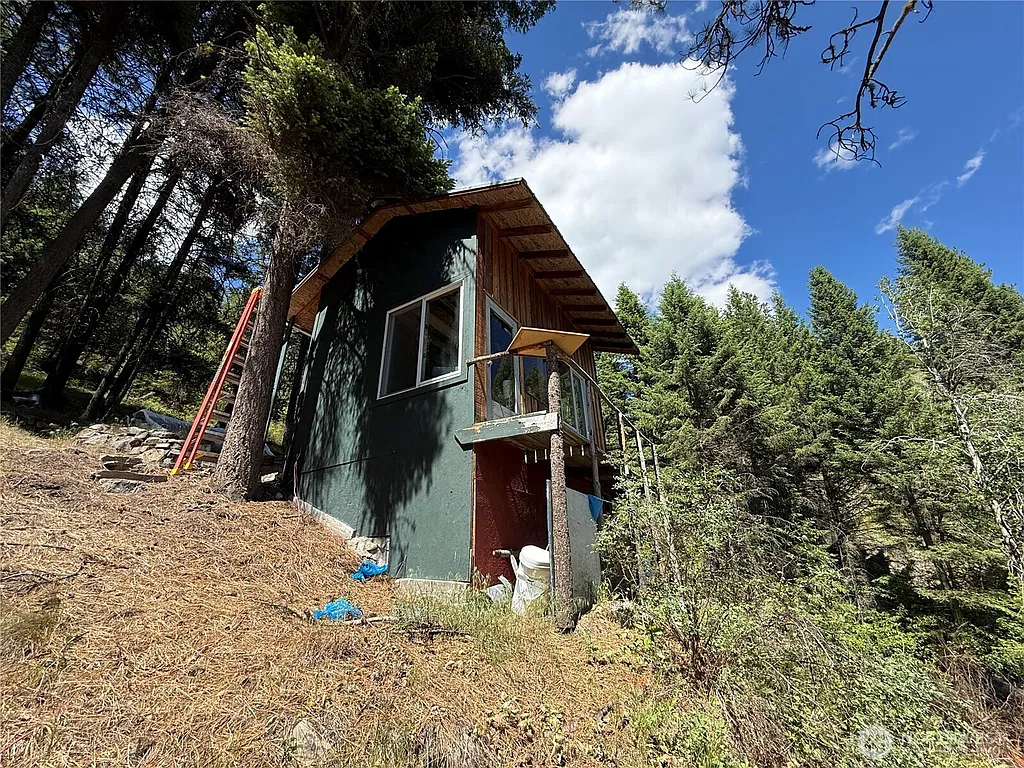
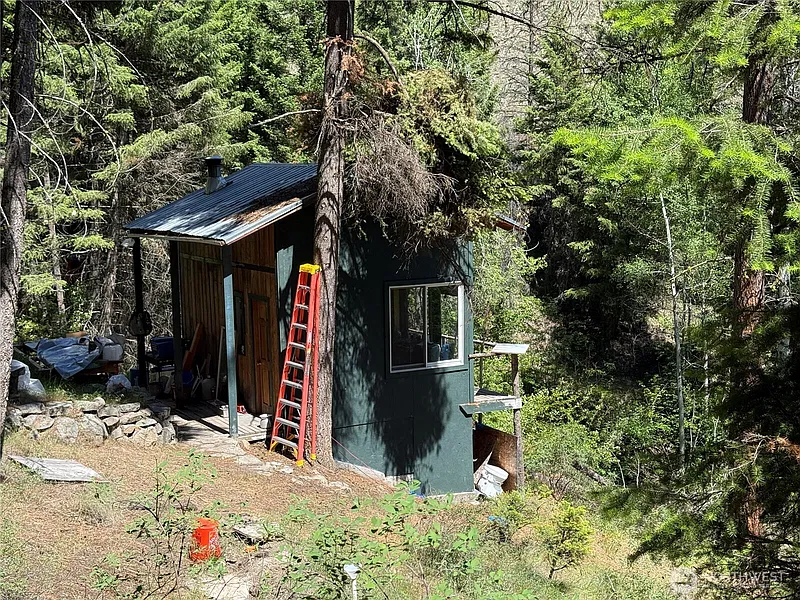
According to the listing, the cabin sits among the trees overlooking a seasonal creek. A concrete foundation, wood stove, and sleeping loft provide the basic elements of a simple mountain getaway.
Here are the key advertised details.
| Property Detail | Information |
|---|---|
| Asking price | $99,900 |
| Location | Toroda Creek Road, Wauconda, Washington 98859 |
| Total acreage | 19.78 acres |
| Property type | Land with an existing cabin |
| Main cabin area | 192 square feet |
| Sleeping loft | 96 square feet |
| Foundation | Concrete |
| Heating feature | Wood stove |
| Water feature | Seasonal creek |
| Views | Mountain and territorial views advertised |
| Electricity | Available along the paved road, according to the listing |
| Telephone service | Reported available along the paved road |
| Sewer | Not available |
| Water supply | Requires verification; a well may be needed |
| Homeowners association | No HOA reported in the listing |
| Asking price per acre | Approximately $5,050 |
Source: Property listing information and published real estate records. Buyers should verify all details with the listing agent and relevant authorities. Property listing.
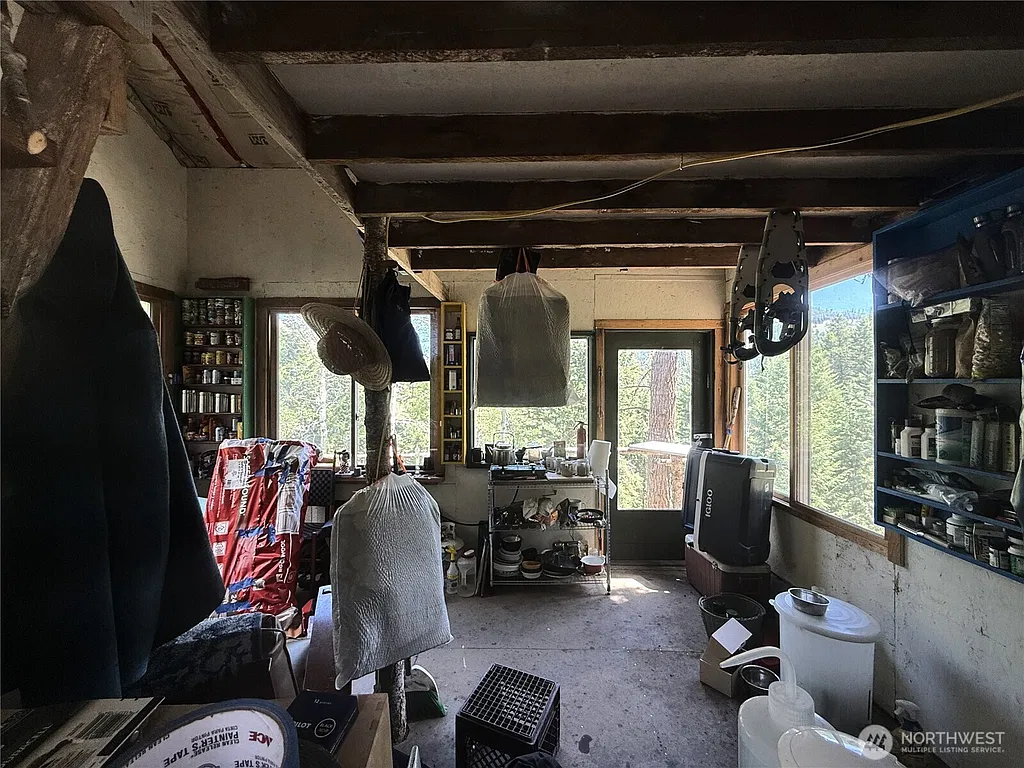
The cabin’s size is important. At 192 square feet, the main structure is considerably smaller than a typical American home. The additional 96-square-foot sleeping loft offers useful space, but buyers should not assume that the loft is approved living space or that the entire structure meets residential building requirements.
This is a property for people who understand the difference between owning a recreational cabin and purchasing a move-in-ready primary residence.
Price Analysis: Is $99,900 Reasonable for Nearly 20 Acres?
The simplest way to evaluate the asking price is to calculate the cost per acre.
The property contains 19.78 acres and is listed at $99,900.
Calculation:
$99,900 ÷ 19.78 acres = approximately $5,051 per acre.
That figure gives buyers a starting point for comparing rural land. It does not, by itself, establish whether the property is underpriced or overpriced.
Two parcels with the same acreage can have dramatically different values. One might have year-round road access, a permitted residence, a productive well, and usable building sites. Another might have steep terrain, limited access, uncertain water availability, and a structure that requires substantial work.
Those differences can easily outweigh a seemingly attractive price per acre.
Price and Acreage Chart
| Measurement | Value |
|---|---|
| Asking price | $99,900 |
| Total acreage | 19.78 |
| Price per acre | $5,050.56 |
| Approximate price per 5 acres | $25,252.78 |
| Approximate price per 10 acres | $50,505.56 |
These figures are mathematical comparisons based on the asking price. They do not represent independent appraisals of individual portions of the parcel.
How the Price Compares With Other Rural Properties
Buyers should compare this property with other listings in Okanogan County and nearby parts of Northeast Washington, particularly parcels offering between 10 and 25 acres.
The most useful comparisons are properties with similar characteristics:
- Existing cabins or small recreational structures.
- Comparable road access and distance from public roads.
- Similar terrain, tree cover, and usable acreage.
- Similar availability of electricity and communications.
- Comparable water access and septic feasibility.
- Similar zoning and permitted property uses.
A vacant parcel without a cabin is not necessarily cheaper in the long run if building costs are high. Conversely, an existing cabin does not automatically add substantial value if it requires repairs or cannot legally be used as intended.
Without verified recent comparable sales and a detailed inspection of this property, it would be premature to call the $99,900 asking price a bargain. The price per acre is a useful screening metric, but the property’s actual condition and usability should determine the final decision.
The Cabin: Small, Rustic, and Potentially Useful
The existing cabin is one of the property’s main attractions.
According to the listing, it measures 192 square feet and includes a 96-square-foot sleeping loft. It also sits on a concrete foundation and has a wood stove.
For a buyer who wants a simple hunting base, weekend retreat, or place to get out of the city, this arrangement may be sufficient. A compact structure can also be easier to heat and maintain than a large house, provided it is properly constructed and insulated.
However, the cabin’s modest size creates practical limitations.
There is limited room for furniture, food storage, indoor activities, and extended stays. Buyers considering regular use should think carefully about sleeping arrangements, ventilation, insulation, moisture control, and safe heating.
The wood stove deserves particular attention. Its condition, installation, chimney, clearances, and compliance with applicable safety requirements should be checked by a qualified professional.
The concrete foundation is another encouraging detail, but its presence does not guarantee structural integrity. Buyers should inspect the foundation, framing, roof, windows, and any evidence of water intrusion.
It is also important to confirm whether the structure was built with the necessary permits and whether its current use complies with local requirements.
The key question is whether the cabin is ready for the buyer’s intended use or whether it should be valued primarily as a basic existing structure that may need improvement.
What Makes the 19.78 Acres Attractive?
The land itself may be the stronger long-term attraction.
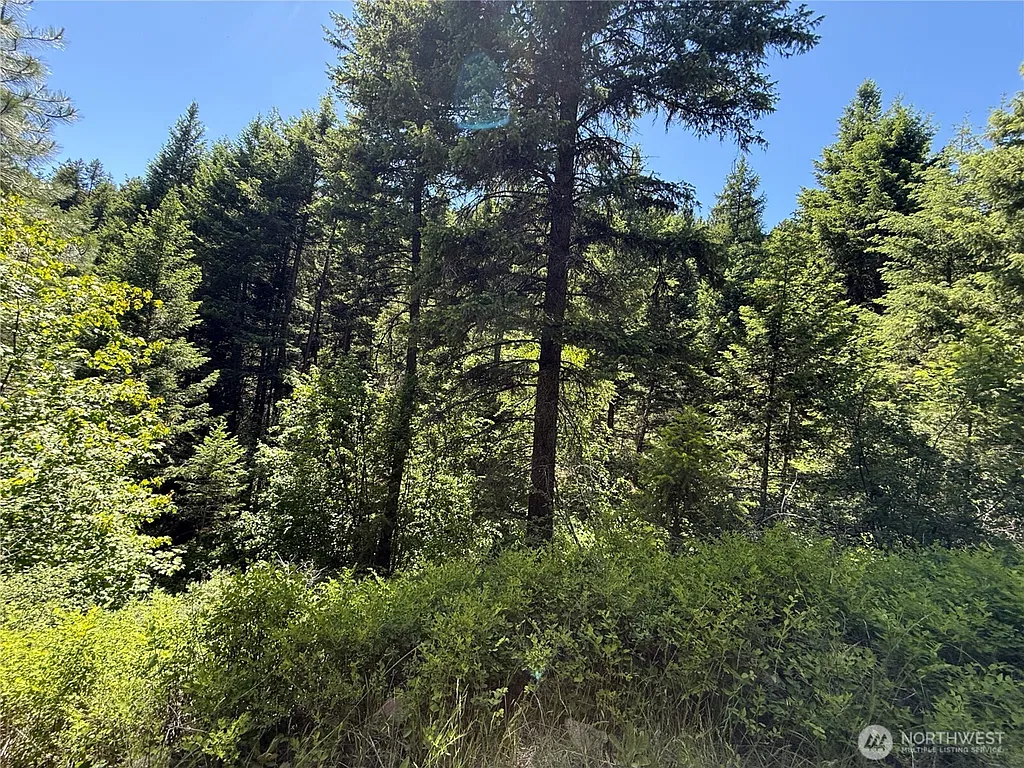
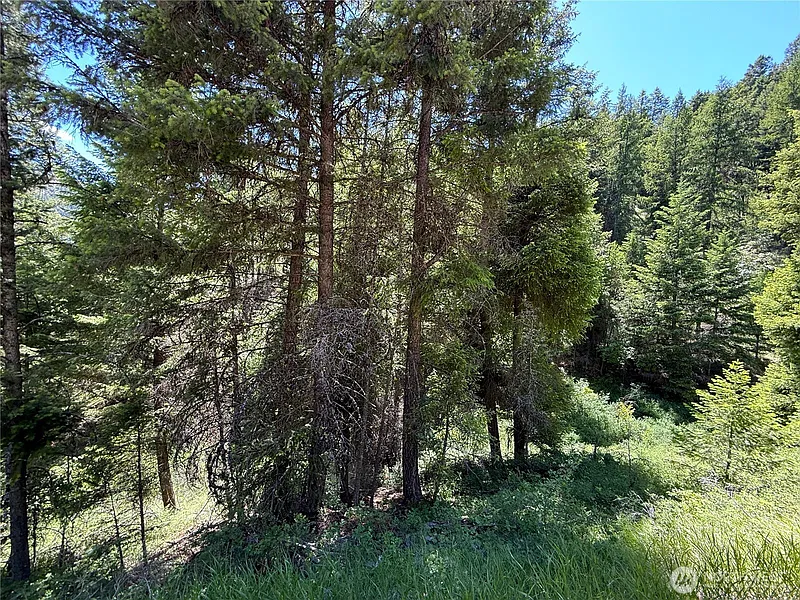
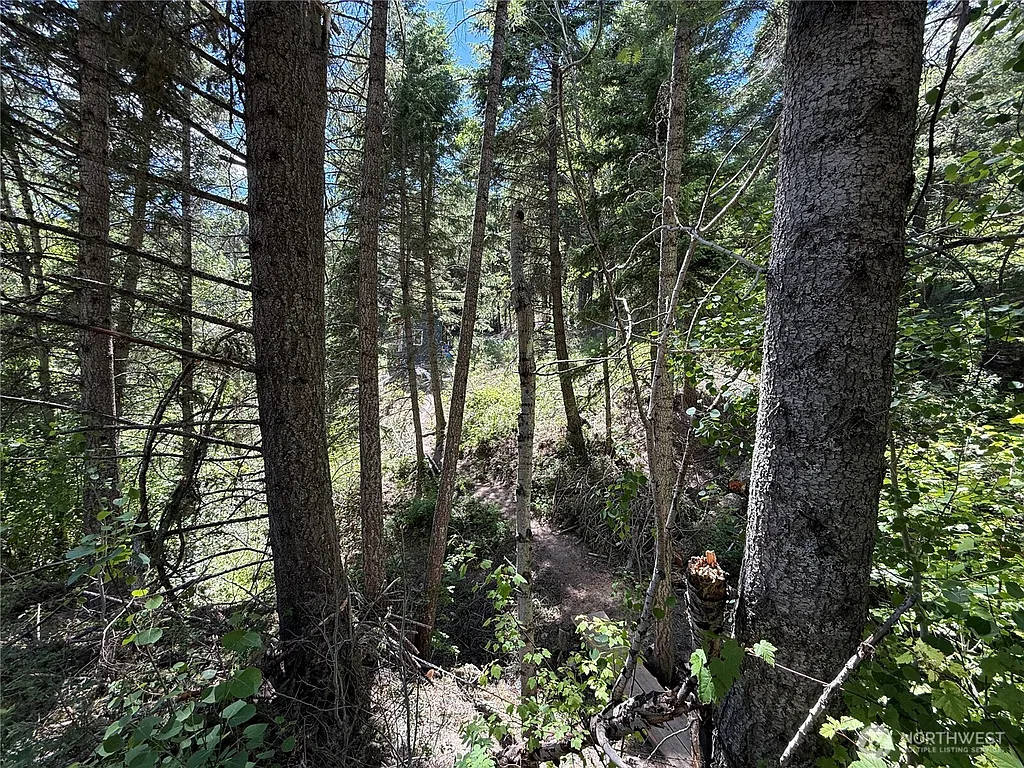
Nearly 20 acres offers considerably more privacy and outdoor space than a typical residential lot. The listing describes wooded surroundings, varied terrain, mountain and territorial views, and a seasonal creek.
For the right buyer, those features can create an appealing recreational setting.
1. Privacy and Space
A parcel of this size may provide room for outdoor activities, quiet weekends, nature observation, and personal recreation.
The trees and secluded setting may also help create a sense of separation from neighboring properties. Nevertheless, actual privacy depends on adjoining land ownership, property boundaries, easements, and nearby development.
Buyers should examine parcel maps and walk the property to understand which areas are usable and how close neighboring structures or roads may be.
2. A Seasonal Creek
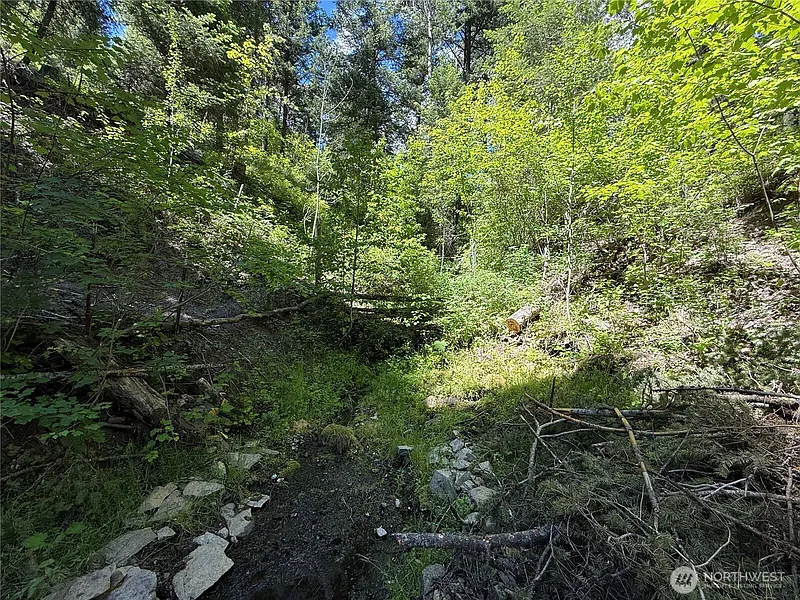
The creek is a distinctive feature, but the word “seasonal” matters.
Water flow may change significantly throughout the year, and the creek should not be treated as a dependable household water source without further investigation.
A seasonal water feature can add natural character to the property and may support wildlife. At the same time, it introduces questions about drainage, erosion, crossing maintenance, and potential restrictions near waterways.
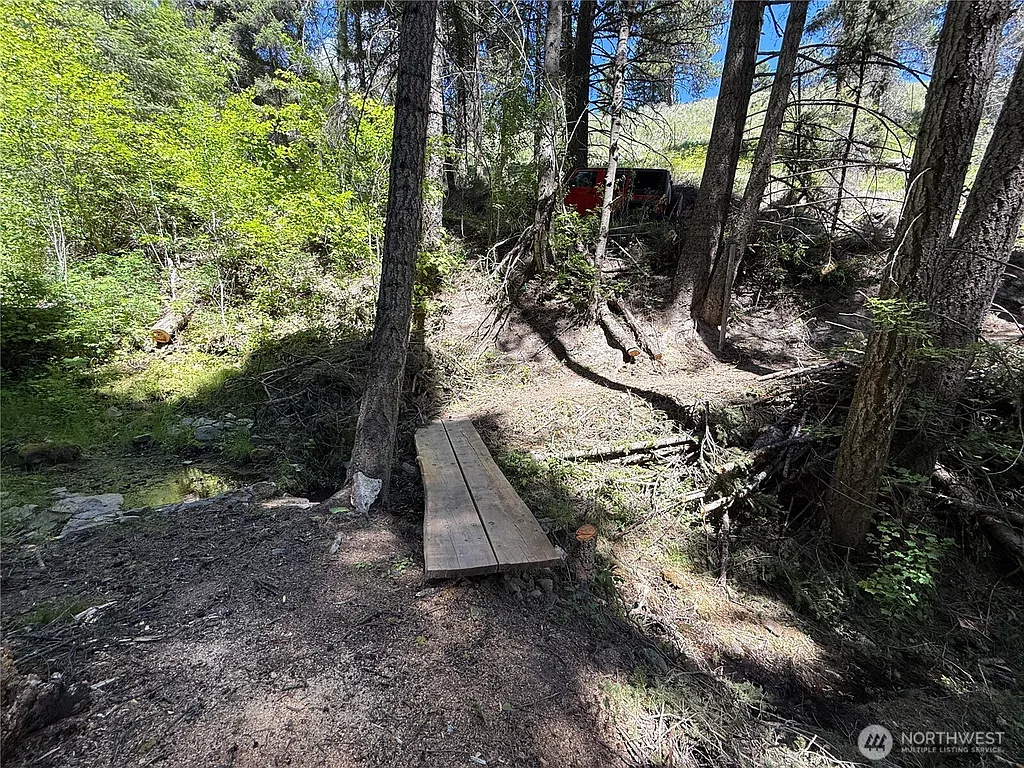
The listing mentions a footbridge across the creek. Buyers should inspect its construction and determine whether access remains practical during periods of high water or poor weather.
3. Outdoor Recreation
The listing promotes the property as a potential hunting camp or recreational basecamp.
Its rural setting may appeal to people interested in hiking, wildlife observation, camping, and other outdoor activities. Hunting, however, depends on applicable seasons, licensing, local regulations, access permissions, and the specific wildlife management rules for the area.
Ownership of the land does not guarantee particular hunting opportunities or access to neighboring public land.
4. Potential for a More Independent Lifestyle
An off-grid property can appeal to buyers who want to reduce dependence on conventional utilities.
The existing wood stove may offer a heating option, while electricity is reportedly available along the paved portion of Toroda Creek Road.
However, electricity being available nearby does not mean the cabin is already connected. Buyers should obtain a connection estimate from the utility provider and investigate any extension costs.
Solar power, battery storage, backup generation, and rainwater collection may be worth researching, subject to local rules and site conditions.
Water, wastewater, and safe year-round access remain essential considerations. A property should not be described as fully self-sufficient simply because it is remote.
Location and Access: A Practical Advantage With Some Limitations
The property is located along Toroda Creek Road in the Wauconda area of Northeast Washington, between Curlew and Wauconda.
According to the listing, the paved section of Toroda Creek Road is approximately one-third of a mile from the cabin, and access to the property includes a gated driveway and an uphill approach.
This arrangement has both benefits and drawbacks.
Being relatively close to a paved road may make the parcel more practical than a property that requires several miles of difficult off-road travel. Electricity and telephone service reportedly available along the paved road may also offer future options.
However, the final approach is still important. A buyer should inspect the driveway, gates, slopes, drainage, and turning areas.
Questions worth asking include:
- Is the access route legally recorded and available year-round?
- Who maintains the driveway and any shared access roads?
- Can ordinary passenger vehicles reach the cabin in wet or snowy conditions?
- Is there sufficient space for emergency vehicles?
- Are there any recorded easements or access restrictions?
Winter access deserves special attention. Remote properties in mountainous or rural areas can have very different accessibility depending on weather, snow removal, and road maintenance.
Anyone considering frequent winter use should visit the site under realistic seasonal conditions or obtain reliable local information about access.
Potential Drawbacks Buyers Should Not Ignore
The property’s appeal is easy to understand, but several issues could materially affect its value.
Water and Wastewater
The listing does not establish a dependable year-round household water supply. Published property information indicates that water availability should be verified and that a well may be needed.
Before making an offer, contact the appropriate county office and qualified well professionals to determine whether a well is feasible, what permits may be required, and what installation could cost.
Wastewater is equally important. Sewer service is not available according to the listing, so buyers should investigate whether a septic system can be approved for the intended use.
Soil conditions, setbacks, terrain, groundwater, and local regulations may affect feasibility.
Do not assume that a cabin can legally be occupied year-round simply because a structure already exists.
Building and Safety Requirements
The cabin’s compact size and rustic construction make a thorough inspection particularly important.
Buyers should verify:
- Whether the structure has the necessary permits or recognized legal status.
- Whether the foundation and framing are sound.
- Whether the roof and exterior protect against moisture.
- Whether the wood stove and chimney are safe.
- Whether the loft is suitable and approved for sleeping.
- Whether the property can support any proposed expansion.
A larger replacement cabin or additional buildings may require permits, inspections, and compliance with current zoning and building requirements.
Terrain and Usable Acreage
The listing describes the terrain as a combination of level areas, rolling sections, benches, and slopes.
That variety can provide visual interest, but total acreage is not the same as usable acreage.
Steeper ground may limit building locations, vehicle access, gardening, or other planned activities. Buyers should identify suitable building sites and determine whether grading or drainage improvements would be necessary.
A professional survey may also be useful to establish boundaries and identify any encroachments.
Wildfire and Emergency Planning
Rural properties surrounded by trees require thoughtful fire preparation.
Buyers should examine vegetation around the cabin, emergency access, potential evacuation routes, and the availability of local emergency services.
Insurance availability and premiums should be checked before closing. Coverage for a remote cabin may differ from coverage for a conventional residence.
The cost of maintaining defensible space, storing firewood safely, and preparing for power interruptions should also be included in the ownership budget.
Cost Analysis: The Asking Price Is Only the Beginning
A $99,900 purchase price does not represent the total cost of owning the property.
The following table illustrates the main expense categories buyers should investigate. These are planning categories, not contractor quotes or confirmed expenses for this parcel.
| Expense Category | What to Investigate |
|---|---|
| Purchase costs | Closing fees, title work, recording charges, and inspections |
| Property taxes | Current assessed value and annual tax bill |
| Access improvements | Driveway grading, drainage, gates, and road maintenance |
| Water | Well feasibility, drilling, testing, and water storage |
| Wastewater | Septic feasibility, design, permits, and installation |
| Electricity | Connection fees, line extensions, or off-grid power equipment |
| Cabin repairs | Roofing, structural work, insulation, and interior improvements |
| Heating | Wood stove inspection, chimney work, and safe fuel storage |
| Insurance | Coverage availability, exclusions, and annual premiums |
| Ongoing maintenance | Trees, drainage, winter access, and structure upkeep |
The listing’s published information includes a historical tax figure, but buyers should confirm the current tax bill directly with the county rather than relying on an old estimate.
It is also worth determining whether the seller expects cash or whether a lender would finance the transaction. Some lenders have stricter requirements for vacant land, recreational properties, and cabins that are not recognized as conventional dwellings.
A Simple Ownership Budget
Consider a buyer who plans to spend the asking price and then make improvements.
| Hypothetical Purchase Scenario | Amount |
|---|---|
| Purchase price | $99,900 |
| Illustrative improvements budget | $10,000 |
| Illustrative total before other costs | $109,900 |
The additional $10,000 is an example for planning purposes, not an estimate of the actual work needed.
Depending on the condition of the cabin and the feasibility of water, wastewater, and access improvements, the real costs could be lower or substantially higher.
The most useful next step is to obtain written estimates for the improvements that are essential to the intended use.
Is This Property a Good Investment?
The answer depends on the buyer’s goals.
For someone seeking a private recreational retreat, the combination of acreage, a basic cabin, and a natural setting may justify further investigation.
For someone expecting rapid appreciation, rental income, or an easy resale, the decision requires more evidence.
Remote land can appeal to a narrower group of buyers than conventional homes. Financing limitations, utility challenges, seasonal access, and uncertainty about permitted uses can affect resale demand.
A future sale price is not guaranteed, and the property should not be purchased on the assumption that land values will automatically increase.
What the Property History Suggests
Published listing records indicate that the parcel sold for $80,000 in 2022 before being offered again at $99,900 in 2026. That represents a nominal asking-price difference of $19,900, or approximately 24.9%, compared with the recorded 2022 sale price. Review the published property history.
This comparison needs context.
A previous sale price and a current asking price are not equivalent to two completed sales. The current listing price reflects the seller’s expectations, not necessarily the amount a buyer will pay.
Changes in property condition, improvements, market conditions, and transaction circumstances can also affect the comparison.
The historical price is useful information, but it is not proof of future appreciation or evidence that the current price is below market value.
Who Might Find It Worthwhile?
The property may deserve consideration from buyers who:
- Want a recreational cabin rather than a conventional full-size home.
- Value privacy and a large wooded parcel.
- Are comfortable researching off-grid utilities and rural maintenance.
- Plan to use the land for personal recreation, subject to applicable rules.
- Have a realistic budget for repairs and future improvements.
- Can tolerate uncertainty about resale timing and market demand.
It may be less suitable for buyers who need immediate year-round residential occupancy, reliable utilities without installation work, easy access to services, or a property that requires little maintenance.
Comparison With Other Properties Under $100,000
When searching for cabins and rural land in Washington, buyers often face a choice between more acreage with fewer improvements and less acreage with a more developed home.
The right comparison should focus on the total package rather than the headline price.
| Comparison Factor | This Property | What to Look for Elsewhere |
|---|---|---|
| Asking price | $99,900 | Compare current asking prices and recent closed sales |
| Acreage | 19.78 acres | Compare parcels of similar size |
| Existing structure | 192-square-foot cabin with loft | Check size, condition, permits, and usable space |
| Water | Seasonal creek; household supply unverified | Confirm well, water rights, or other legal supply |
| Electricity | Reported available along paved road | Verify whether the property is connected |
| Access | Rural approach from Toroda Creek Road | Compare legal access and winter maintenance |
| Wastewater | Sewer unavailable | Investigate septic feasibility |
| Recreation | Rural, wooded setting | Compare terrain, privacy, and permitted activities |
| Future development | Requires verification | Confirm zoning and building eligibility |
A competing parcel with fewer acres could be the better purchase if it has an approved septic system, a dependable well, a permitted cabin, and easier access.
On the other hand, a vacant parcel with similar acreage might require substantial spending before it can offer the same basic recreational use.
The best comparison is therefore the total cost of reaching the buyer’s desired level of usability, not simply the price per acre.
A Buyer’s Due Diligence Checklist
Before making an offer, take the following steps.
- Confirm the legal details. Obtain the parcel number, title information, recorded access easements, and a survey or reliable boundary information.
- Inspect the cabin. Have a qualified professional assess the foundation, roof, framing, wood stove, chimney, and visible signs of moisture or structural damage.
- Investigate water. Determine whether a well is feasible and whether any existing water rights or restrictions affect the property.
- Check wastewater options. Ask the county health or permitting department about septic feasibility and the requirements for the intended use.
- Verify utility costs. Contact the electricity provider to obtain a connection estimate. Confirm the actual availability of telephone or internet services.
- Review zoning and permits. Ask Okanogan County about residential use, occupancy, expansion, additional structures, and any restrictions on recreational activities.
- Assess seasonal access. Inspect the driveway and road conditions, and ask about snow removal, drainage, and maintenance responsibilities.
- Research insurance. Obtain preliminary quotes and confirm whether the cabin’s construction, location, and intended use are insurable.
- Compare actual sales. Ask a local real estate professional for recent comparable sales involving similar acreage, access, structures, and utility conditions.
- Calculate the full budget. Include closing costs, immediate repairs, water, wastewater, utility work, and a reserve for unexpected expenses.
Completing these checks before closing can help prevent a low advertised purchase price from becoming an unexpectedly expensive project.
Final Verdict: Should You Consider This $99,900 Washington Property?
The 19.78-acre property on Toroda Creek Road has several qualities that make it worth investigating: a sub-$100,000 asking price, a small existing cabin, a sleeping loft, a wood stove, wooded surroundings, a seasonal creek, and a location suited to a private recreational retreat.
Its approximate price of $5,051 per acre provides a useful starting point for comparison. The cabin may also offer a practical advantage over buying completely vacant land, depending on its condition and legal status.
However, the property is not equivalent to a conventional move-in-ready home. Buyers must account for the small interior space, unverified household water supply, lack of sewer service, potential improvement costs, and rural access requirements.
My assessment is that this property is worth a closer look for a buyer who specifically wants a recreational cabin and nearly 20 acres of rural land. It is not yet possible to conclude that it is a bargain without an inspection, confirmation of permitted uses, utility estimates, and comparable sales.
If the cabin is structurally sound, access is legally secure, water and wastewater solutions are feasible, and the total cost fits the buyer’s budget, the property could be a reasonable candidate for further consideration.
If those checks reveal expensive obstacles, a smaller parcel with better utilities or a more complete cabin may provide better overall value.
The smartest approach is to evaluate the property as a complete ownership decision rather than allowing the acreage or asking price alone to determine whether it is a good purchase.
Property information is based on the published listing and publicly available listing records. Availability, price, condition, permitted uses, taxes, access, and utilities should be independently verified with the listing agent, county authorities, utility providers, and qualified professionals before any purchase decision.
Listed on Zillow
